The Visual Image of the Artist as Part of How a Track Is Heard
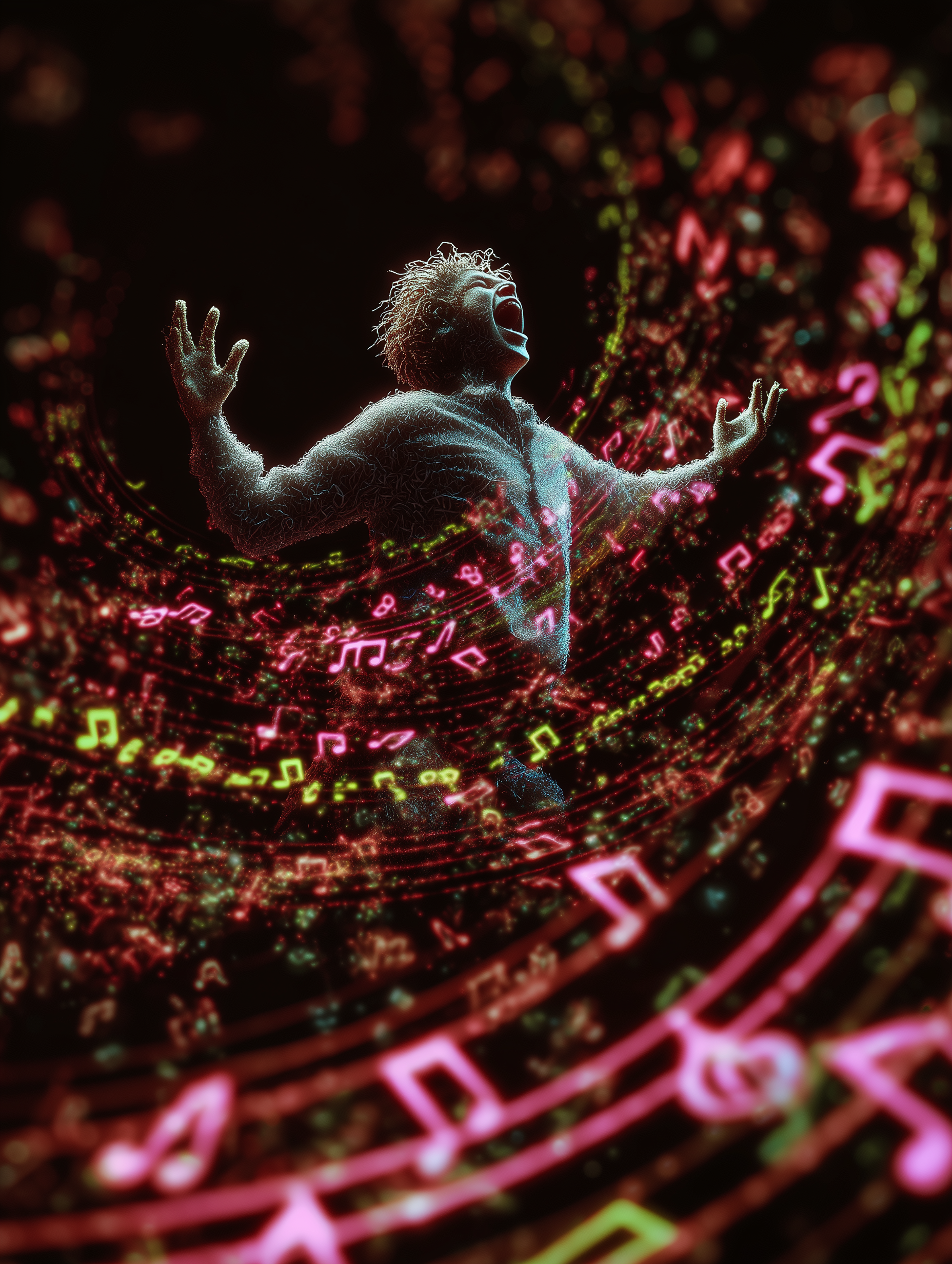
Music is often described as something purely auditory, as if the listener meets the song through sound alone. In reality, modern listening almost never works that way. A track usually reaches us together with an image, a face, a color palette, a body language, a fashion code, a music video, a cover design, or a stream of social media fragments that shape our expectations before the song has even fully begun. By the time a listener presses play, the music is already surrounded by visual meaning.
This is why the visual image of an artist cannot be treated as a secondary layer or a marketing accessory. In many cases, it becomes part of the track itself in the mind of the audience. The listener may believe they are responding only to melody, rhythm, production, or vocal tone, but visual context often influences what the sound is taken to mean. A song may feel colder, more intimate, more dangerous, more nostalgic, more expensive, or more emotionally honest depending on the visual world attached to the artist. The eye helps prepare the ear.
Visual Identity Begins Working Before the Song Does
One of the most important functions of the visual image is expectation. Before a listener has time to interpret the structure of a song, they have often already absorbed clues about the artist’s world. A highly polished pop image suggests one kind of listening. A deliberately rough or understated visual identity suggests another. Dark styling, theatrical makeup, minimal monochrome photography, vintage clothing, hyper-digital aesthetics, or handmade visual textures all influence the emotional frame in which the track is heard.
This framing effect matters because music is never interpreted in an empty space. Listeners are constantly asking, often unconsciously, what kind of person is behind the sound and what kind of emotional universe the track belongs to. Visual identity helps answer those questions quickly. It signals genre, ambition, irony, sincerity, distance, sensuality, rebellion, fragility, or control. Even when the song itself remains unchanged, the listener’s perception of it can shift dramatically depending on the image that surrounds it.
The Artist’s Image Helps Define Emotional Credibility
Listeners do not only judge whether a track sounds good. They also judge whether it feels believable. This is where visual image becomes especially powerful. A song about heartbreak, alienation, confidence, danger, tenderness, or transformation is often received through the lens of whether the artist appears to embody that emotional territory. The visual image can strengthen that impression or weaken it.
If an artist’s appearance, posture, styling, and overall presentation feel coherent with the mood of the song, the track may seem more convincing. If the visual image feels disconnected, manufactured, or tonally confused, the song can lose impact even if the production is strong. This does not mean that authenticity is simple or objective. It means that listeners rely on visual cues when deciding whether an emotional performance feels inhabited or merely presented.
In this sense, image does not replace sound, but it can stabilize or destabilize the emotional credibility of what is being heard.
Songs Are Often Heard Through a Whole Visual World
In contemporary music culture, tracks rarely live as isolated audio objects. They exist inside larger aesthetic systems. Album covers, typography, stage design, music videos, performance clips, color palettes, fashion choices, and social media imagery all contribute to the same interpretive field. The listener does not just hear a song. The listener enters a visual world that teaches them how to read the song.
This is especially clear when artists create strong visual eras. A shift in hairstyle, costume, lighting, graphic design, or cinematic mood can change the perceived meaning of the music itself. A track may sound more futuristic because the artist’s imagery suggests sleek digital control. It may sound more intimate because the visuals create closeness and vulnerability. It may sound more experimental because the artist appears visually unpredictable. The music and the image begin reinforcing one another until it becomes difficult to separate them in memory.
For many listeners, this combined experience is now the normal way of hearing.
Digital Culture Has Made the Link Even Stronger
Streaming and social media have intensified the relationship between image and sound. In earlier eras, many listeners encountered songs through radio, physical media, or live performance with longer gaps between visual exposures. Today, music circulates through platforms where visual information is immediate and constant. A new track may arrive through a short video clip, a live performance fragment, a cover image on a streaming service, or a trend built around a recognizable aesthetic. In many cases, the listener sees the artist before hearing the full song.
This changes the structure of musical perception. The track is no longer entering the listener’s life as sound first and image later. Sound and image now arrive almost simultaneously, and sometimes image arrives first. That gives visual identity more power than it once had. It can guide attention, suggest emotional interpretation, and influence whether the track feels worth deeper listening.
The result is a music culture in which visual literacy increasingly shapes sonic experience.
Genre Expectations Are Also Reinforced Visually
Visual image also works through genre. Every genre carries not only sonic patterns but visual codes. Listeners learn to associate certain looks with certain musical worlds. Minimal electronic music, underground rap, indie folk, mainstream pop, metal, hyperpop, ambient, and alternative R&B all tend to develop recognizable visual languages. Artists may follow those codes, resist them, or deliberately distort them, but they cannot completely escape them.
Because of this, visual presentation affects what the listener expects to hear and how quickly the listener categorizes the track. A song that crosses genre boundaries may be interpreted differently depending on how the artist looks. Two tracks with similar sonic ingredients can be heard as belonging to different cultural spaces if the visual identities behind them are framed differently. The listener is not only asking what this sounds like. The listener is also asking what cultural world this appears to come from.
That question has a powerful effect on perception.
The Face of the Artist Changes the Sense of Intimacy
There is another reason visual image matters: it shapes intimacy. Seeing an artist’s face repeatedly changes the emotional atmosphere of listening. A familiar face creates recognition, and recognition often creates a stronger sense of personal connection. The listener may begin to attach emotional qualities to that face and then carry those qualities back into the music.
This is one reason why certain tracks feel more exposed or more personal after an artist becomes visually known to the audience. Facial expressions, physical fragility, body language, and visual presence can all intensify the sense that the listener is hearing a person rather than only hearing a product. At the same time, a highly stylized or distant image may create a more theatrical or constructed listening mode. The track may feel larger, colder, more iconic, or less confessional.
Visual image therefore affects not only interpretation, but also emotional distance.
Music Videos Still Matter More Than People Admit
It is easy to say that music videos are less central than they once were, but visual storytelling remains influential. Even short-form video has taken over many of the functions once held by traditional music television. A listener may now attach a song to one memorable gesture, one specific outfit, one recurring scene, or one visual motif that travels across platforms. The track becomes difficult to imagine outside those images.
This matters because visual association can permanently shape musical memory. When listeners return to a song, they often recall not just the melody but the visual environment in which they first encountered it. A desert road, a neon room, a blurred camcorder texture, a white studio space, a choreographed movement, or an iconic close-up can all become part of how the song lives in memory. In that sense, the visual image is not external commentary on the track. It becomes part of the track’s afterlife in the listener’s mind.
Visual Image Can Also Distort What the Music Is Doing
Of course, the influence of image is not always helpful. A strong visual persona can sometimes flatten listening rather than deepen it. If the public image becomes too dominant, listeners may stop hearing the track on its own terms. They may hear the brand, the controversy, the fashion statement, or the online persona more loudly than the music itself. The song becomes secondary to the frame around it.
This is one of the risks of contemporary music culture. The visual image can become so powerful that it starts predetermining response. Listeners may praise or dismiss a track based less on sound than on what they already think the artist represents. In these cases, image does not expand perception. It narrows it.
Still, this distortion only proves how strong the visual dimension has become. If it can overpower listening, it is clearly not a minor part of the experience.
The Modern Track Is Both Heard and Seen
The idea of “pure listening” still exists, but it no longer describes how most people engage with music in everyday digital culture. Today, tracks move through a mixed environment where audio, image, gesture, branding, and identity constantly interact. The listener hears the sound, but they also hear everything the artist looks like, stands for, performs, and visually repeats. That combination shapes mood, trust, intimacy, memory, and genre recognition.
This does not make music less musical. It simply means that modern musical perception is more layered than older ideas of listening allowed. The visual image of the artist has become part of how the track is received, interpreted, and remembered. It helps define what the sound means before the listener has fully processed the sound itself.
In the end, the artist’s visual image is not outside the listening experience. For many contemporary listeners, it has become one of the conditions through which listening happens at all.